
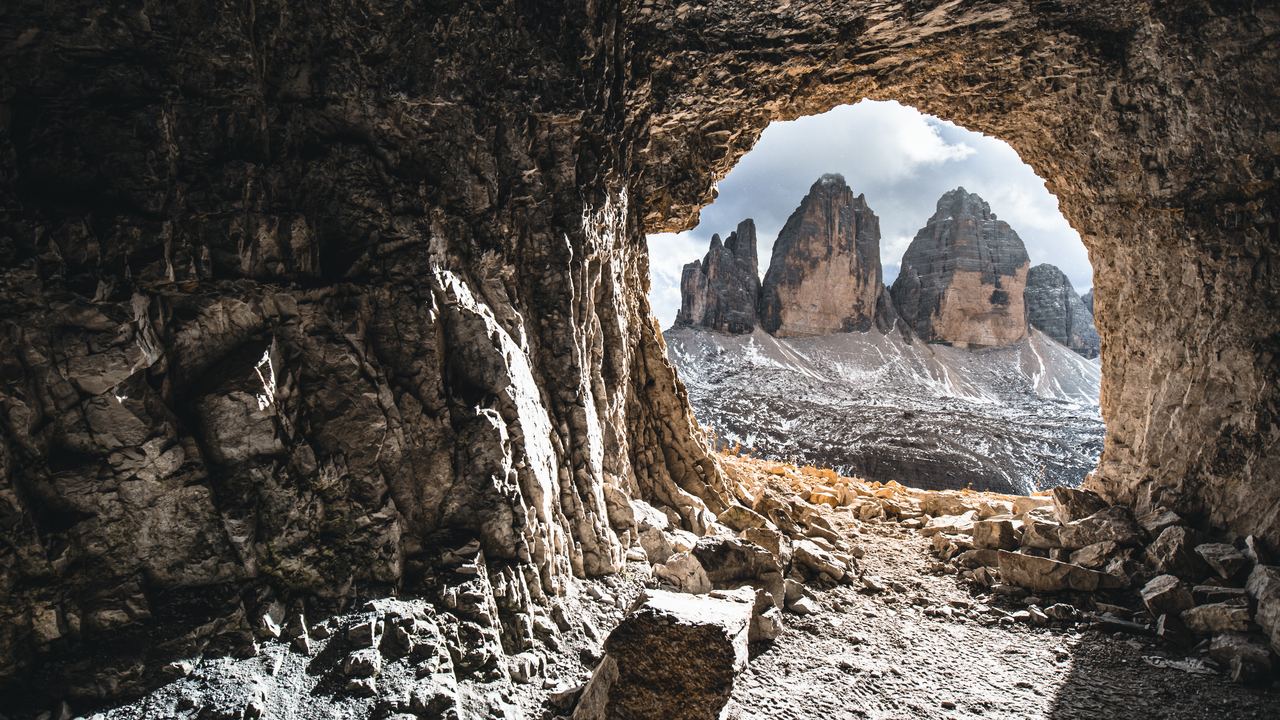
The park's own tour list for Mammoth Cave in Kentucky has two tours of two hours each. One is labeled Easy, with 160 stairs. The other is labeled Strenuous, with 640 stairs. The same list has a Wild Cave Tour where chest and hip measurements "must not exceed 42 inches" and there are "no alternative routes available" (read on the National Park Service page, October 19, 2026). One cave, three different days. That is the trouble with planning a cave trip from the name of a cave: the name fixes the rock, and the rock is the smallest part of what you will deal with.
This page is the route through the rest of the section. It puts six questions in the order in which each one removes the most options: where, when, whether your group can do it, what to bring, official ticket or guided tour, and which tour. Every section says what the question is really asking, shows one piece of evidence from a cave's own pages, and sends you to the guide that goes deeper. Those guides were written from official pages read on October 19, 2026. Rules on such pages change, so the guides describe a kind of rule and tell you to check the cave's site for the one in force. So does this page.
| Question | What it really decides | Where people go wrong | Guides that answer it |
|---|---|---|---|
| 1. Where, and what kind of cave | The format of the day: built path, boat, water, or digging | Choosing by photograph and finding out the door was a rowboat | Cave Fit Guide, show caves vs wild caves, sea caves compared |
| 2. When | Which closure applies: sea, rain, ice, or none | Reading a good month as a promise that the cave is open | When to visit, rainy season, ice caves, if a tour is canceled |
| 3. Can your group do it | Stairs, low ceilings, exits, water, age | Trusting the age on a listing instead of the reason behind it | Safety, claustrophobia, kids, limited mobility |
| 4. What you bring | Shoes, warmth, and what the site bans | Packing for the cave and forgetting the queue outside | What to wear, photography rules, cave temperature |
| 5. Ticket or tour | What you pay a third party to add | Buying a transfer you did not need, or a skip-the-line that skips nothing | Official ticket or guided tour |
| 6. Which tour | Minutes inside the cave against minutes around it | Counting the length of the day as the length of the cave | How to choose a cave tour, how long a cave tour takes |
1. Where do you want to go, and what kind of cave is it?
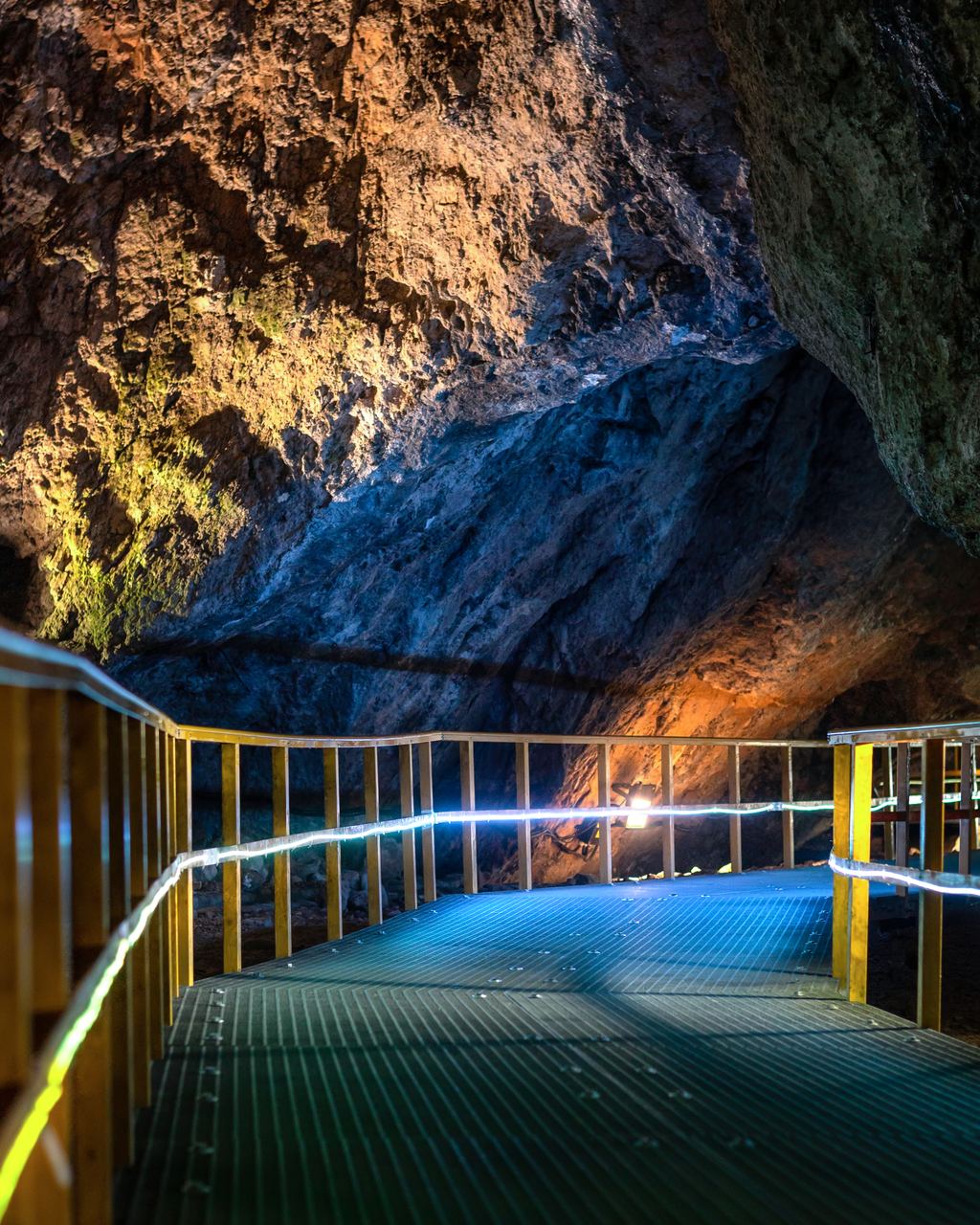
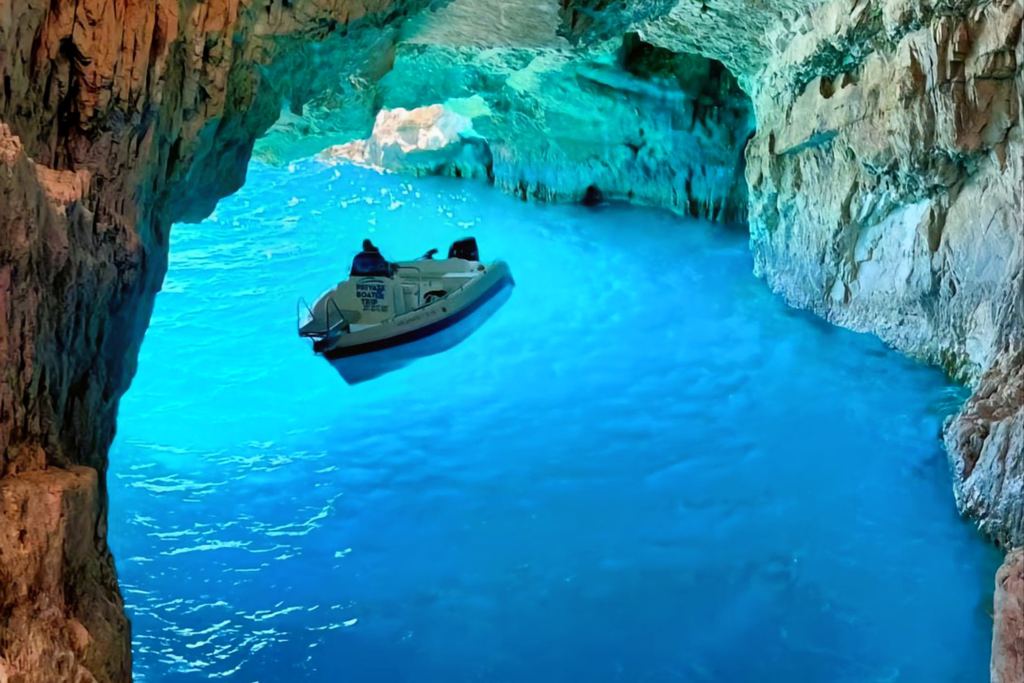
Choose the format before the place, because the format decides what the day asks of you. At Postojna in Slovenia the cave's own page says the tour takes about an hour and a half, covers about 5 kilometres, runs partly by train and has a slip-resistant concrete footpath (Postojna page). At the Blue Grotto on Capri, Italy's Ministry of Culture says the cave can be entered only with small rowing boats, and that the boat has its own ticket, not included in the entrance ticket (Ministry's page, in Italian). Both are called caves, and the two visits share little else.
The types sort roughly by who does the work. In a show cave the builders did it: path, lamps, a guide. On water the water does it, whether by boat, swimming or tube, and the rules follow the water. Under a city or a mine, people dug it for their own reasons and the corridors still show them. Our guide to show caves, wild caves and other cave tours walks through six formats and what each asks of your body. The Cave Fit Guide lines up 19 destinations on facts a cave's own site publishes, and says where a fact is missing. For the sea there is sea caves compared, for the rest of the water caves you visit by boat, swimming or tube, and for the dug places underground cities, catacombs and mines. If you would rather start from how the rock itself formed, how caves form is the short version.
Pick a country when you know the format. Our country guides are grouped under Caves Around the World: Where to Go.
Pick the format first and the cave second. The Mammoth Cave list shows why: the same rock gives you a 42-inch limit on one tour and "All ages" on another.

Which cave is right for you?
Caves lined up by wet or dry, steps, ceilings and cameras.

Show caves, wild caves and the rest
Six formats of cave tour and what each asks of you.
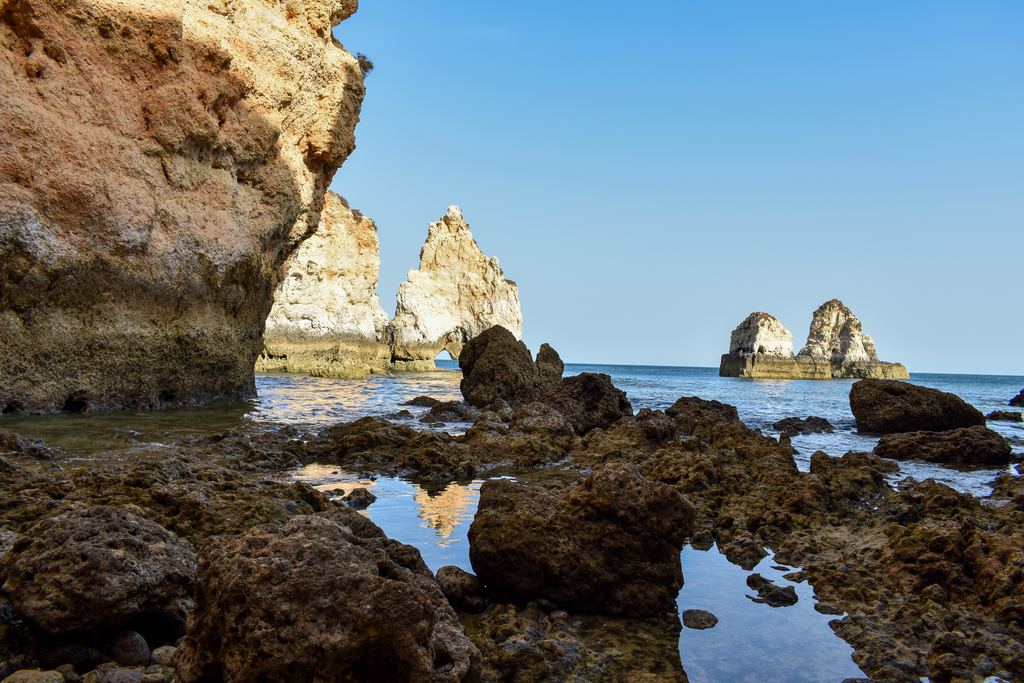
Sea caves compared
Five coastal caves by door, light and what the swell allows.

Underground cities, catacombs and mines
Places dug by people, and why the reason sets the steps and the cold.
2. When can you go, and who can say no on the day?
A calendar tells you the odds. It does not open the cave. The Italian ministry's page for the Blue Grotto ends its hours with one sentence: in adverse sea and weather conditions the site stays closed. A cave that is shut by weather is shut by a person reading the weather, and the guides in this section are organized by who that person is and what they are reading. Sorting the 19 destinations in our month guide gave four kinds of closure: the sea, the rain, the ice, or almost nothing at all.
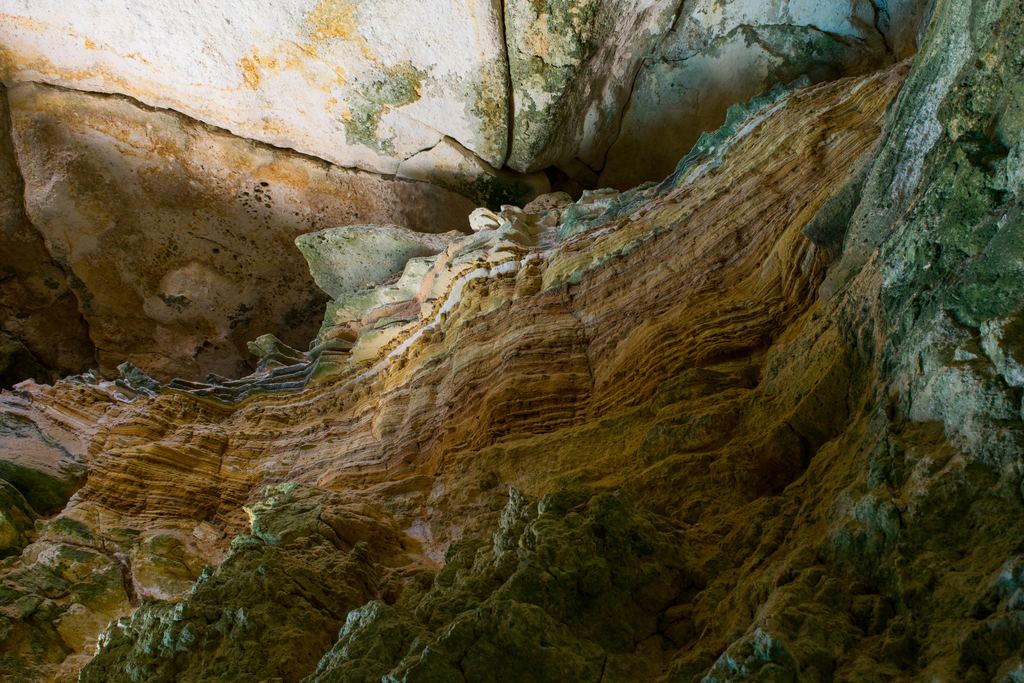
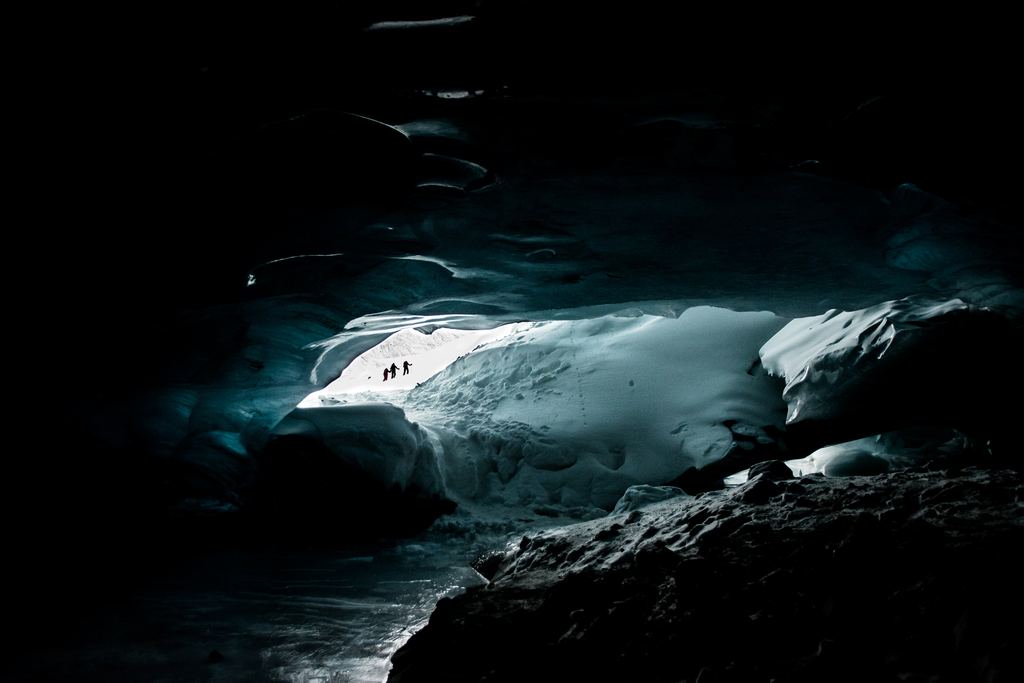
Rain is the least intuitive. A Belize cave operator's cancellation notice explains that rain is "not always falling in our immediate area but further up into the hills and surrounding watershed", so rivers start rising and "we won't see the effect until hours later" (read October 19, 2026). A dry morning at the entrance proves little. Ice is the opposite case: the US National Park Service says ice caves are "inherently dangerous due to the possibility of ice or rocks falling from the ceiling, cave collapse and flooding" (NPS), and, as our ice caves page explains, the cave you enter in one winter is not last winter's. Below ground the season barely matters. The NPS says the temperature past a cave's entrance zone tends to reflect the average annual temperature of the area (NPS cave weather page), so in a catacomb or a mine the month changes the walk and the queue outside, not the cave.
Our month-by-month guide sorts 19 destinations by these rules from weather services' own climate files, and says in the text what it cannot tell you. Caves in the rainy season takes four regions where rain is the issue, and the page on ice caves explains why they have no calendar. If you are already holding a booking, if your cave tour is canceled covers who decides and what to ask.
One habit helps: leave the day after a sea or river tour free. A green month lowers the chance of a closed day and the sea or river resets it every morning. For the sea caves on this site, start from Capri or the Blue Cave in Croatia. For rivers, Cayo District in Belize. For ice, Iceland.
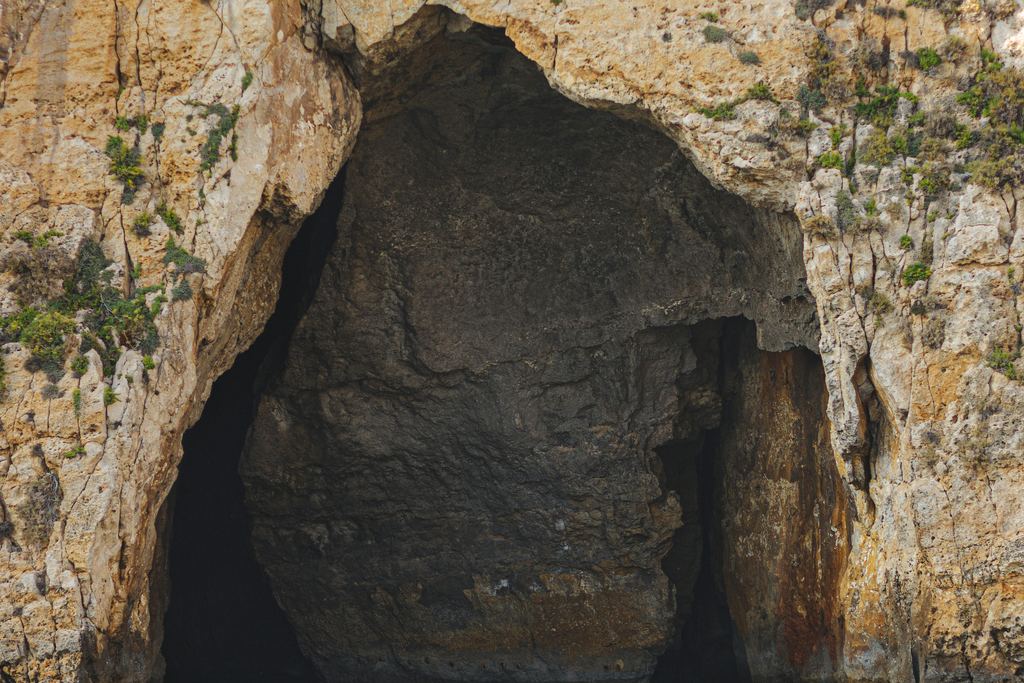
When to visit caves
Months for 19 destinations, with the rule behind each color.

Caves in the rainy season
Rainfall for four regions and why upstream rain closes a cave.

Ice caves: when they exist
Why a glacier cave has no fixed season and differs every year.
If your cave tour is canceled
Who decides, what to ask the seller, what to do on the day.
3. Can you and your group do it?
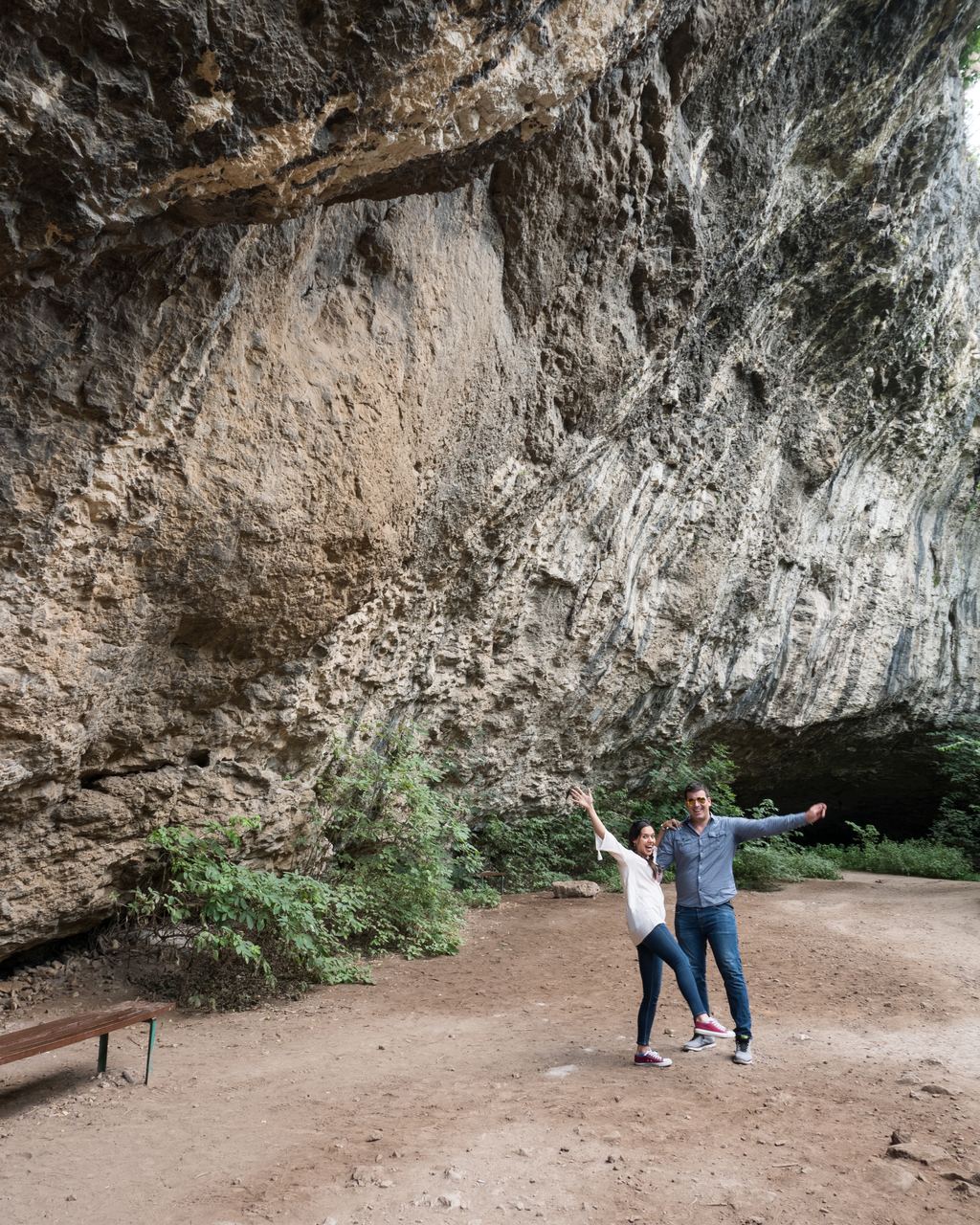
This question deserves more weight than the order of this page suggests, and for many people it should come first. Three things are being asked at once. The body: stairs, uneven floors, crawling. The head: low ceilings, narrow passages, how far the exit is. The group: a child, a parent with a stick, someone who does not swim.
Cave operators write down more than people expect. Paris says its catacombs are not recommended for people who are motor disabled, claustrophobic or who have cardiac or respiratory insufficiency (official page). Wind Cave National Park says all its tours are moderate to very strenuous and not recommended for anyone with claustrophobia, heart or respiratory conditions, or recent surgeries (park's safety page). Kartchner Caverns in Arizona writes the opposite kind of page for anxious visitors: never more than 1-2 minutes from an exit, a ceiling about 15 feet high at the start, and a staff member who will escort you out if you need to leave (Arizona State Parks). One fear, two kinds of answer: stay away, or here is how far the exit is.
The uncomfortable detail is on the Mammoth Cave list again. The two-hour tour with 640 stairs is labeled Strenuous and, in the same entry, "All ages". An age on a listing is a summary of something else, which is why our guides to cave tours with kids and to limited mobility read each rule for its reason.
Stairs and wheels are not the same question as claustrophobia, and neither is the same question as safety. Postojna publishes a slope in its own words: the footpath is concrete and without steps, with one sloping section of about 200 metres at a 20% incline. Visitors who need a wheelchair are advised to tour the part reached by train, and may do the whole tour with a companion who can help on the slope (Postojna's accessibility page). That is one measurement where most listings say "accessible". Our guides ask the same questions of every cave and tell you which ones a site did not answer. They are on whether cave tours are safe, claustrophobia, children and limited mobility.
Are cave tours safe?
Risks sorted by mechanism: water, ice, footing, air, animals.

Cave tours for claustrophobic visitors
What is tight, what is open, and the words that give a listing away.

Cave tours with kids
How to read age limits, stairs and stroller rules.

Cave tours for limited mobility
Wheelchairs, stairs and what a site publishes about access.
4. What do you bring, and what do you leave outside?
Packing for a cave is mostly a list of what is banned, and the bans are specific. Paris admits only bags smaller than 40 by 30 cm and does not allow camera tripods (visitor page). Wind Cave refuses backpacks, large bags, handbags and walking sticks (park safety page). On Mammoth Cave's Wild Cave Tour you must bring your own lace-up hiking boots that cover the ankle, and the park says that athletic shoes or slick-soled footwear do not meet the requirement and that you are turned away without them (tour list). The clothing question is therefore less "what is warm" than "what will the site let in".
Warmth is the second half. Past the entrance zone a cave sits near the annual average of the place above, so a cave can ask for a layer on a hot day: Wind Cave recommends a light jacket or sweatshirt for all its tours. The wait outside can be the harsher part. Paris tells visitors to dress warmly because waiting in front of the entrance can be long, even in winter (Paris Catacombs). A wet tour wants clothes that do not stay wet against the skin, and the guide to what to wear on a cave tour sorts the cases and gives the figures each cave publishes, dated. The numbers behind them, and the exceptions, are in why caves feel cool inside.
Two rules apply wherever you go. Do not touch the walls: the NPS explains that the oil on your skin, including sunscreen and lotion, stains the cave, and that skin oils waterproof formations so that they stop growing (NPS). And if you visit more than one cave in North America, ask each park about its decontamination routine. The NPS says on its white-nose syndrome FAQ that washing your clothes does not decontaminate them and that some parks require clothing that has been underground to be left behind (NPS FAQ). Cameras have their own rules and their own reasons, in photography in caves.


5. Official ticket or guided tour?
This site earns a commission when you book a tour through it, so the useful thing to say is when you do not need one. Many caves sell their own tickets and run their own guides. The Catacombs of St Callixtus in Rome say on their booking page that individual visitors and groups of up to 15 must book and buy their tickets through the link there, under a heading that reads Reservation for guided tours (official site). At the Blue Grotto, Italy's Ministry of Culture says reservations are free online and the entrance is paid on the spot, and that access is rationed: visitors who arrive without a reservation are admitted only if there is room against the number of people who did book (ministry page, in Italian).
So the question is not "official or tour" in general. It is what a third party adds that the site does not already include. Pay for a transfer where the cave is far from where you sleep, for a language where the visit is not offered in yours, for a combination if you want the other half of it. A skip-the-line is worth nothing if the site already admits by timed slot. The page on official ticket or guided tour lines six official pages up and shows what each includes, and it explains when to book before you leave home. We name no prices on any page of this section because they change faster than we could check them.
6. Which tour?
By now the options have shrunk to a handful of listings, and the last step is to read them for the thing they rarely say: how much of the day is the cave. At Postojna the cave's page puts the tour at about an hour and a half (tour page). A boat tour that includes a sea cave may spend more time on the water than in it, and at the Blue Grotto the boat that enters is a separate boat with a separate ticket. A listing sells a day. The cave's own site describes a route. The gap between the two is the transfer, the arrival margin, the queue and the gear.
How to choose a cave tour goes through six decisions in order of impact and names three cases where the tour is the wrong purchase. How long is a cave tour separates time inside from time around the visit and gives a five-level difficulty scale with its criteria written out. If you have time for only one of the guides in this section, make it the first.
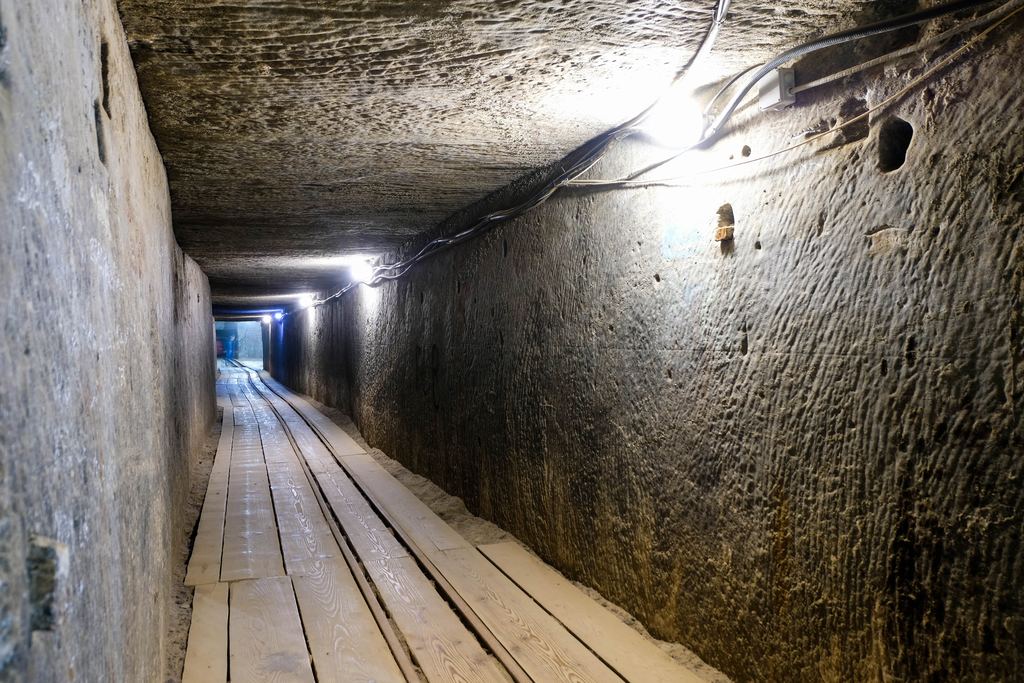
Official cave ticket or guided tour?
What six official pages already include, and what a tour has to add.

How to choose a cave tour
Six decisions in order of impact, and when the tour is the wrong purchase.
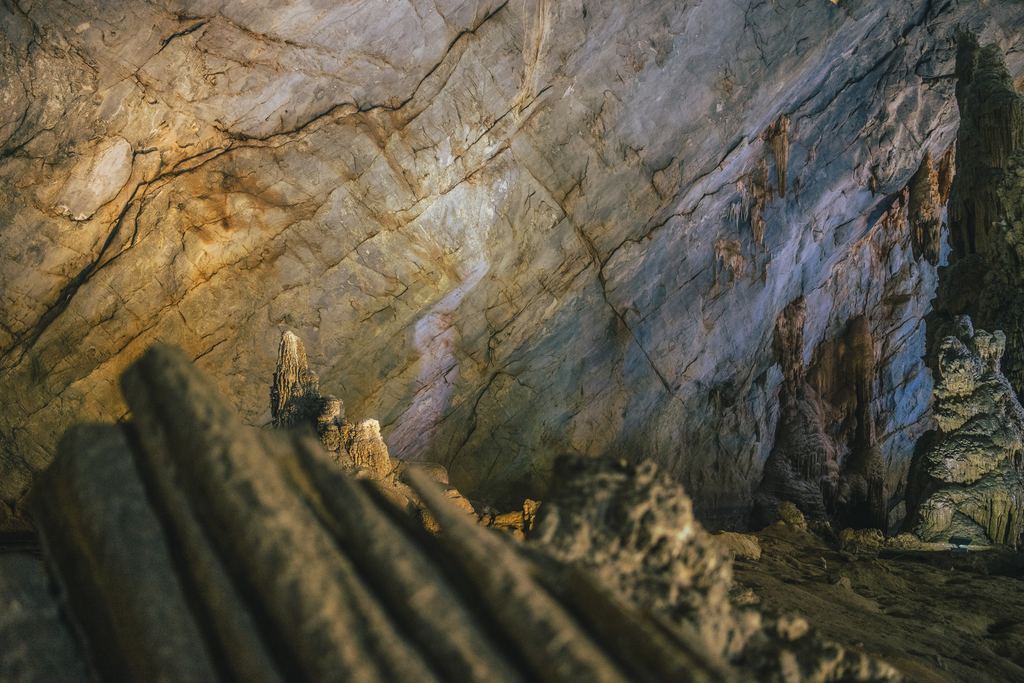
How long is a cave tour?
Time inside by type of cave, a difficulty scale and the minutes around the visit.
When the order breaks
The order above is the one that works when nothing is fixed. Usually something is. If you are already going to Capri, start at question 2, because the grotto closes on the sea's say-so and a plan built on one morning is fragile. If someone in your group cannot manage stairs, start at question 3 and let it decide the where. If your dates cannot move, start at question 2 and read the ice caves page before you pay for anything with a glacier in it. Start with whichever limit cannot change, and let the rest of the list be filtered by it.
Two limits of this section are worth saying aloud. First, we do not rank operators and we name none: listings change, and a recommendation we could not keep current would be a worse guide than a method. Second, official pages are not neutral. A cave site describes its own tour in its own terms, and the Blue Grotto's ministry page does not say who decides on a closure or what happens to a ticket. Where an answer was missing from every source we opened, the guides leave the cell empty.
Which category to open once you know the format
The site's destination pages are organized by place, so the shortcut from format to place looks like this. For a show cave with a train and a built path, Postojna. For a sea cave entered by small boat, Capri and the Blue Cave in Croatia. For a dug-out underground, the catacombs of Rome, Naples underground and the Paris catacombs. For river caves, Cayo District. For ice, the ice caves of Iceland. These are starting points; each page lists the tours with their departures, and nothing on them replaces the questions above.
Italy: three formats in one country
A sea grotto on Capri, the catacombs of Rome and the underground of Naples sit in one country, so one itinerary can test three of the formats above.

32-Foot Gozzo Private Capri and Blue Grotto Cruise for Up to 10 Guests
A skipper shapes the route on a private 32-foot gozzo that can leave from Sorrento, Positano or Amalfi. Snorkeling gear, fruit salad and Prosecco are on board.
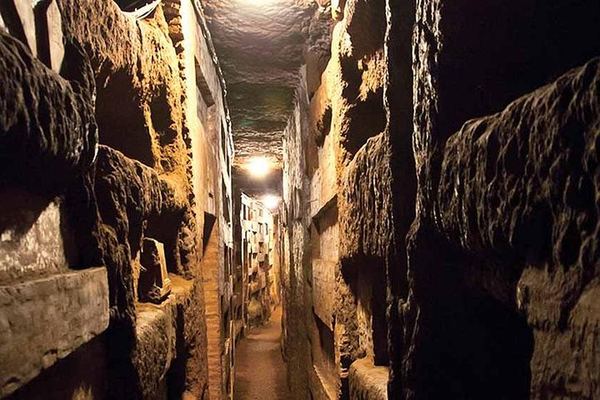
Appian Way, Quo Vadis and San Callisto Catacombs Private Tour With Chauffeur
A private guide in your choice of language and a chauffeur-driven car cover the Appian Way, the Quo Vadis church and the San Callisto Catacombs in three hours.
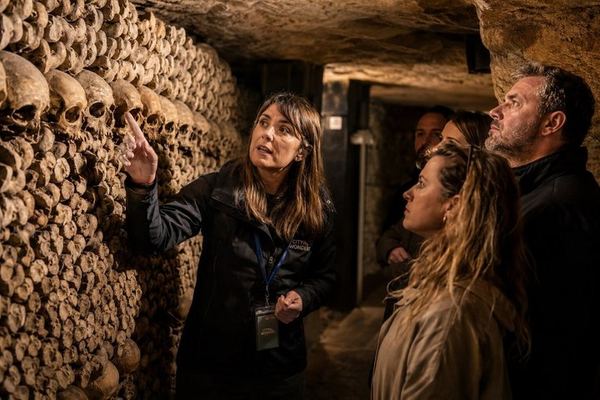
Bone Chapel, Domitilla Catacombs and San Martino ai Monti With After-Hours Option
Three underground stops in Rome, the Capuchin Bone Chapel, the Domitilla Catacombs and San Martino ai Monti, with a private coach and an after-hours departure.
Ratings collected by Viator and Tripadvisor
Plan a cave trip: common questions
What should I decide first when planning a cave trip?
The limit that cannot move: your dates, someone's mobility or a fixed destination. Without one, start with the format. The Cave Fit Guide helps you pick, and the guide to choosing a tour covers the rest.
Do I need to book a cave tour in advance?
It depends on how the cave admits people. The Blue Grotto's ministry page rations entry and gives priority to those who reserved. The Rome catacomb of St Callixtus requires a booked guided visit. Others admit visitors who simply turn up. Check the cave's own page, and see official ticket or guided tour.
Can I plan a cave trip around the weather?
Partly. Monthly climate files give the odds, and our month guide uses them, but a sea or river cave is closed by conditions on the day. Keep a spare day and read if your cave tour is canceled before you book.
Where do I start if I am short of time?
Read how to choose a cave tour, then are cave tours safe. Together they cover most of the decisions that cannot be fixed after you have paid.
Some links on this site lead to tour listings. If you book through them, Caves Travel earns a commission at no extra cost to you. The facts above come from the caves' own pages and public agencies, not from those listings, and a listing here is not an endorsement of its operator.
Data verified on . Official pages read on October 19, 2026. Rules and measurements change: check the cave's own site before you go.
Start from a cave you already know
The Blue Cave in Croatia is the same cave from Split, Hvar and Dubrovnik, and the day is not the same. Open the page and compare departures.