
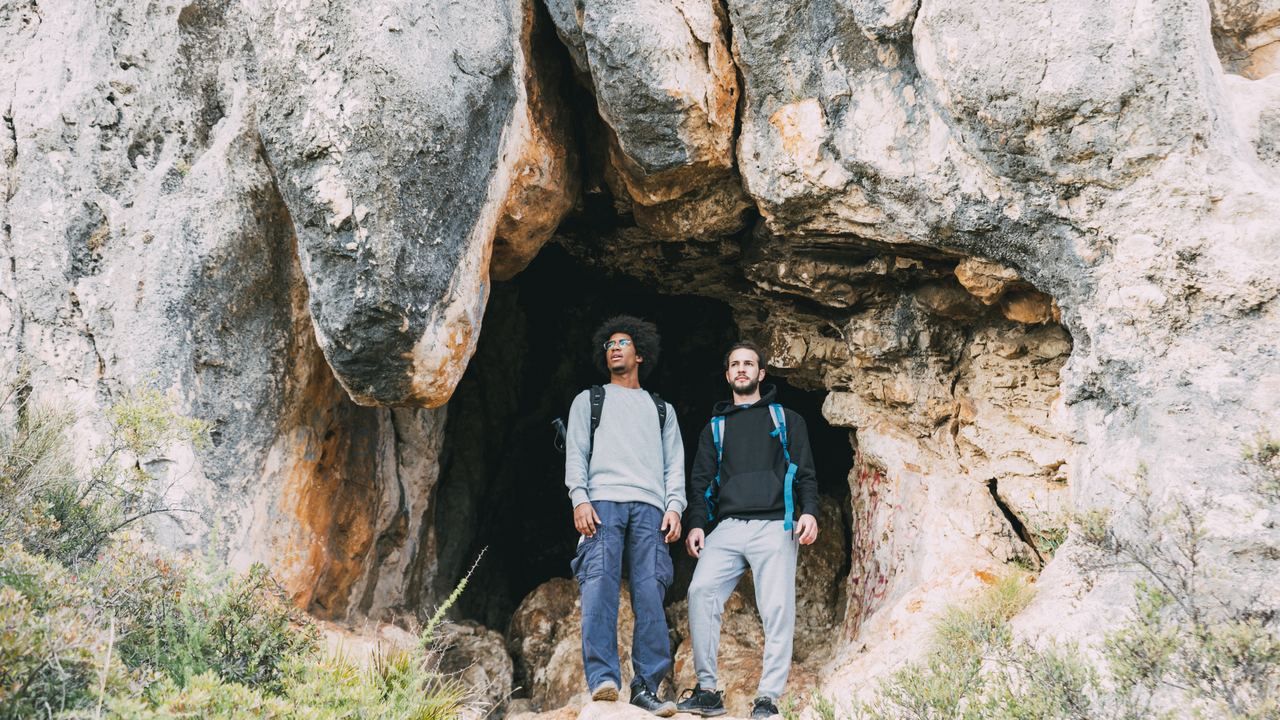
Dress for the coldest part of your day, which is often not inside the cave. In a dry show cave that means one warm layer and shoes that close around the whole foot. On a tour that puts you in water the kit changes. On a tour where you queue outside for an hour, the cave's own temperature hardly matters.
Below is the reasoning, with the figures each cave's own site publishes. We read them on October 19, 2026. Where a site gives no number, this page says so instead of filling the gap.
How cold is it inside a cave?
Close to the yearly average outside, with exceptions. The National Park Service says that in most caves, past the entrance area, the temperature "tends to reflect the average annual temperature for the area at that given elevation". The National Cave and Karst Research Institute corrects the popular shorthand: caves do not have constant temperatures, and the more air moves through a cave, the more the temperature swings.
Two exceptions from the same agency show how the rule bends. At Carlsbad Caverns the main passage is a cold trap: in winter, once the air outside drops below the cave's temperature, cold air plunges into the lower part of the entrance. At Lehman Caves in Nevada, one monitoring station averaged 1.9 °C above the outside mean over the year the NPS measured. The agency names heat from visitors and lighting as a possible cause and doubts that the Earth's own heat explains it there. Our cave temperature guide goes through the physics.
On the ground, what you meet is a number on the cave's own page. Jewel Cave in South Dakota says 49 °F, or 9 °C, year round and suggests a light jacket, sweater or sweatshirt. Wind Cave, in the same state, says 54 °F (12 °C) and recommends the same. Postojna in Slovenia says 10 °C. Also in Slovenia, Škocjan says 12 °C in the dry parts. Paris says 14 °C. Wieliczka says 16 to 18 °C on its tourist route, and its 2025 visiting rules give an average of 17 °C.
Treat every published figure as a range, and pack for the low end of it.
One operator shows why. Waitomo's FAQ says the Glowworm Cave is 16 ºC year round, its tips page calls the caves a balmy 12-14 degrees, and its Ruakuri Cave page says conditions are typically cool (around 15 °C) and damp. The pages do not reconcile the three. Read it as a band of 12 to 16 °C. The same FAQ asks for comfortable walking shoes and a warm jacket on the walking tours.

Why does it feel colder than the number?
Because the air is wet and you are not moving much. The NPS says relative humidity in most caves is usually close to 100% once you are past the entrance. Škocjan lists 80 to 100% for its caves, and Wieliczka's rules give up to 75%.
A guided tour is also slow: you walk, stop, listen, walk. Heat you would make on a hike is heat you do not make here. That last part is our reading, not a measurement. Postojna's own page states the rule of thumb in a heading, "There Is No Such Thing as Bad Weather in the Cave", and follows it with the advice to wear suitable footwear and clothing.
What should you wear for each kind of cave tour?
The table sorts tours by what drives the clothing, with the figures each site publishes. Where the table says "no figure", we found none on an official page.
| Tour type | Temperature the site publishes | What decides the clothing | Footwear the sources ask for |
|---|---|---|---|
| Dry show cave | Jewel Cave 9 °C, Wind Cave 12 °C, Postojna 10 °C, Škocjan 12 °C in dry parts | Standing still in cool, damp air for an hour or more | Fully enclosed, low-heeled, non-slip |
| Catacombs and city undergrounds | Paris 14 °C, San Gennaro 15 to 22 °C, San Callisto about 16 °C, Priscilla about 13 | A cool interior plus a wait outside | Comfortable flat shoes; Paris says boots can stay home |
| Salt mine | Wieliczka tourist route about 17 °C, miners' route 14 to 16 °C | A long walk and stairs; a mining overall on the miners' route | Fully closed shoes; waterproof ones advised for the miners' route |
| Wet river or adventure cave | Waitomo: no figure for the rafting tour; Škocjan 0 to 20 °C where water flows | Time in the water, if any | Boots or shoes that grip and can get wet; Škocjan adventure tours ask for rubber boots or high hiking boots |
| Sea cave by boat | No figure | Time on open water in a boat; lying down in a rowing boat at Capri | No rule published; keep shoes you can wear on a wet boat floor |
| Icelandic lava caves | 0 to 4 °C on one Visit Iceland page, 1 to 5 °C on another | Cold, dripping ceilings, an icy floor | Sturdy boots; ice cleats in winter come with guided tours |
| Glacier ice caves | No figure | Not published | No rule published on the park pages we read |
Three rows carry less than the rest. For sea caves, none of the official pages we read gives a clothing rule or a temperature. The Comune di Anacapri describes the Blue Grotto as reached by rowing boat, lying down, under an entrance arch about a meter high, which says how you will sit and little about what to wear. For glacier ice caves, the Vatnajökull National Park pages we read talk about risk and not clothing. For the lava-cave row, Visit Iceland is the source, and it states both ranges on its caving page. We would rather leave cells empty than invent a number. Our guide to cave tour types explains why a sea cave and a show cave need different thinking.
Which shoes do cave tours accept?
Shoes are the one place where the sources agree. Jewel Cave says fully enclosed shoes, such as sneakers, tennis shoes or hiking boots, are required, and that open-toe shoes and sandals of any kind are not allowed on any cave tour. Wind Cave asks for low-heeled walking shoes with non-slip soles and does not permit sandals on its candlelight and wild cave tours. Wieliczka's visiting rules say that on the miners' route you may only walk in full shoes that cover the foot, and that visitors in flip-flops, sandals or high heels are asked to change before the tour starts or cannot join it (our translation from Polish). Škocjan asks for non-slip shoes.
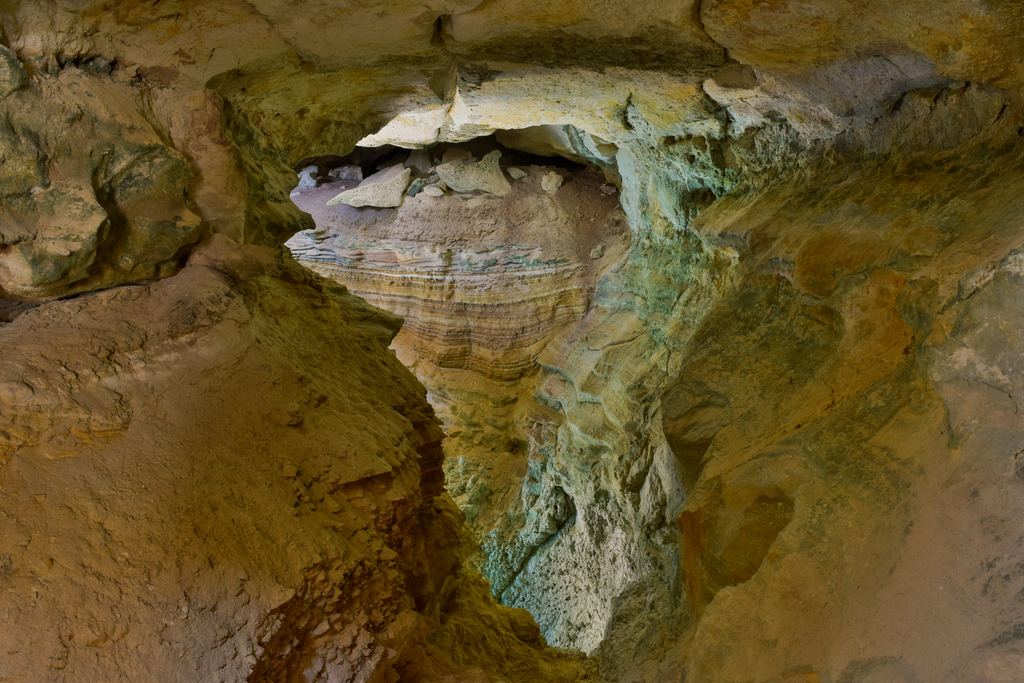
Paris supplies the other half of the rule. You can leave your boots at home, it says, but wear comfortable shoes, and dress warmly because the wait outside can be long even in winter. What decides the shoe is the floor, and Paris publishes that too: a risk of falling, an uneven and slippery floor, narrow passageways and dim light.
What changes when the tour is wet?
Water turns the question from warmth into what happens when you are wet. On Waitomo's black water rafting tours the operator supplies wetsuits, you bring your own swimsuit to wear underneath, and its FAQ says you will not need a jacket. At Škocjan water matters even on foot: the park lists 0 to 20 °C where water flows. For its adventure tours it asks for rubber boots or high hiking boots and, in winter, ski underwear or something similar, while the guides hand out caving overalls, a helmet and a safety belt.
Cotton is the usual warning. The National Speleological Society's guide to what to wear, written by Kurt Waldron for NSS News in October 2007, recommends polypropylene or nylon rather than cotton: synthetic fibers dry quickly and, unlike cotton, do not keep moisture close to your body. It is written for recreational cavers, so read it as the reason behind the rule and not as a requirement for a tour. The same guide says wool socks keep your feet warm even when wet.
If a tour will get you wet, the thing to avoid is a wet layer that stays wet against your skin. Ask what is supplied before you pack.
What do you wear in a mine or an underground city?
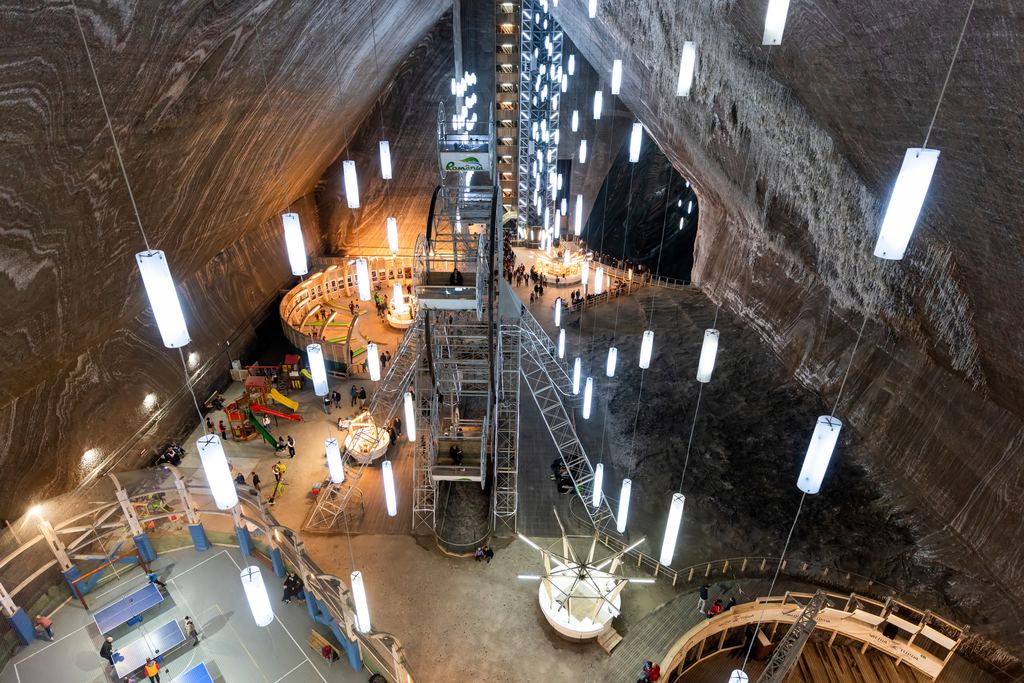
A mine adds stairs and distance. Wieliczka's rules for its miners' route say every visitor receives a mining helmet, a protective overall, a carbon monoxide self-rescuer and a lamp before going down, with training in how to use them. Entry depends on signing a register and confirming the training in writing. The site advises comfortable waterproof shoes for the 2 km walk and clothing for about 14 to 16 °C. The tourist route is warmer, with 16 to 18 °C on the site and an average of 17 °C in the rules. Our page on the Wieliczka salt mine covers the tours themselves.
Catacombs and undergrounds are mostly about waiting and cool floors. San Gennaro in Naples tells visitors to bring a sweater even in warm periods, and prints 15 to 22 °C. Naples Underground recommends flat shoes and a sweatshirt in warm periods and publishes no temperature. San Callisto's rules in German give about 16 °C with high humidity, and Priscilla says approximately 13 degrees, without writing the unit. For Derinkuyu and Cu Chi we found no official figure. See Naples Underground, Rome Catacombs and Paris Catacombs for the tours.
What should you leave at the hotel?
Rules about bags are stricter than rules about clothes. Wind Cave bans backpacks, large bags, purses and handbags, and also food, drink, gum and walking sticks, though baby front packs are fine. Paris prohibits suitcases and large bags and bans eating and drinking on the circuit. Ruakuri Cave at Waitomo does not allow backpacks without approval from cave staff. Carlsbad asks visitors to bring no food or flavored drinks, because anything spilled and missed grows mold, and food smells have drawn surface animals into the cave.
Carlsbad also explains why even a light touch counts: the oil on skin, including sunscreen and lotion, stains the rock, and skin oils waterproof the formations so they cease growing. That is the reason behind every "do not touch" sign, and it is a good reason to keep your hands in your pockets on a cold tour anyway. Cameras and tripods have their own rules, which we cover in the photography guide.
Which clothing rule does no packing list mention?
In North America, one about bats. White-nose syndrome kills hibernating bats, and the National Park Service says humans may carry the fungus from cave to cave. Its FAQ says washing your clothes does not decontaminate them. Parks differ: some offer to decontaminate shoes, and some require you to leave behind any clothing or items that have been underground. So if you plan two caves in one trip, ask each park about its procedure before you decide which shoes to bring. The FAQ is about US parks. None of the European pages we read for this guide mention it.
Quick answers
Do I need a jacket if it is hot outside?
Yes, if the cave is a dry show cave. Škocjan's own advice reads: "Despite the high summer temperatures, bring appropriate clothing as the temperature in the caves is 12°C". Jewel Cave and Wind Cave both recommend a light jacket or sweatshirt.
Can I wear sandals on a cave tour?
Often not. Jewel Cave does not allow sandals of any kind on any tour, Wind Cave does not permit them on two of its tours, and Wieliczka's miners' route refuses them. Closed shoes with a grip are the safe choice everywhere we looked.
What do I wear to a sea cave?
No official page we read sets a rule. Ask the operator what the boat provides, and keep shoes you can wear on a wet floor.
Is cotton really bad in a cave?
On a dry tour the sources we read ask for a warm layer and closed shoes and say nothing against cotton. The problem is cotton that gets wet and stays wet, which is why the NSS guide favors synthetics and wool for recreational caving.
Some tours listed on this site can be booked through partner platforms. If you book from here, the site earns a commission at no extra cost to you. The clothing rules in this guide come from the caves' own sites, not from those listings, so check the booking page for what the tour supplies. If you are still choosing, how to choose a cave tour and whether cave tours are safe are the next two pages in this section of Plan Your Cave Trip. For wet tours, caves you visit by boat, swimming or tube goes into the gear.
Postojna Cave tours
A dry show cave at 10 °C is the simplest case on this page.
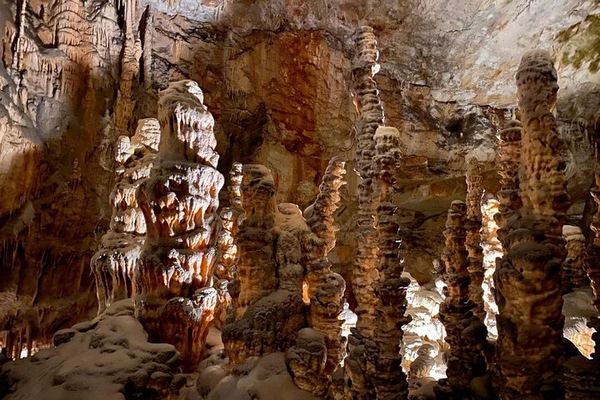
Day Trip to Postojna Cave and Predjama Castle With Water and WiFi From Ljubljana
Bottled water, WiFi and parking fees are covered on this Ljubljana trip for up to eight travelers, with entrance to the cave and castle booked separately.
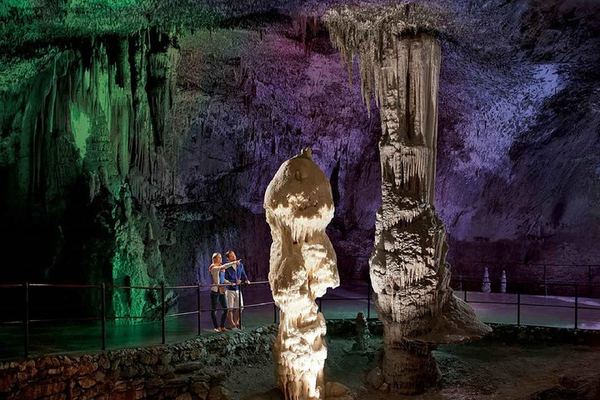
Deluxe Private Tour From Rovinj to Postojna Cave and Predjama Castle
A private driver and guide, insurance and a hotel or port pickup in Rovinj are included in this deluxe day out, with guiding in German, English or Italian.
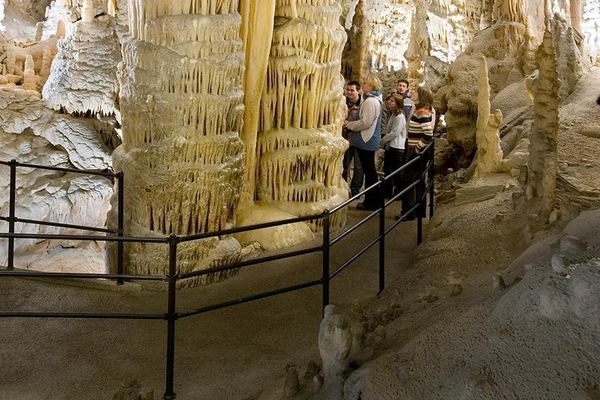
Group Tour to Postojna Cave With Cave Train and Castle Photo Stop From Koper
Meet at the ISTRANKA TOURS kiosk by the cruise terminal exit in Koper for the cave train, a licensed guide, basic insurance and a photo stop at a cave castle.
Ratings collected by Viator and Tripadvisor
Check the cave's own page before you pack
Clothing rules change, and the official site of your cave has the current one.
Data verified on . Temperatures and rules read on each cave's official site on this date. They change: check before you go.