
We could not find a dataset that says how often cave tours go wrong, and the companies that sell them do not publish one. What exists is a set of mechanisms, and each has a record. A lit walkway in a show cave and a river cave in the wet season share the word cave and little else.
So this page sorts the risks by how they hurt people, not by a ranking nobody has measured. For each one it gives a source, a date and the thing that lowers the risk. It also says where a guide is not a guarantee: the board of Vatnajökull National Park puts the responsibility on the company and the guide, and a tour boat overturned at Benagil in 2026.
Which mechanisms matter, and where?
| Mechanism | Where it applies | What a source says | What lowers the risk |
|---|---|---|---|
| Rising water | River caves, cave tubing, wet adventure caves | Flash floods in Belize's Cayo District on Christmas Eve 2022 caught tour groups after rain had fallen in the hills, not at the cave | Guides who call tours off, life vests, an exit plan |
| Sea state | Sea caves reached by boat | The Italian ministry says the Blue Grotto stays closed in adverse sea and weather conditions; a tour boat overturned at Benagil on May 23, 2026 | Closures decided by the authority, licensed boats, limits on numbers |
| Falling ice and collapse | Glacier ice caves | NPS: ice caves are inherently dangerous because of falling ice or rock, collapse and flooding. A man died on a tour on Breiðamerkurjökull at the end of August 2024; tours resumed in October with risk assessments | Daily assessment of the ice, an experienced guide |
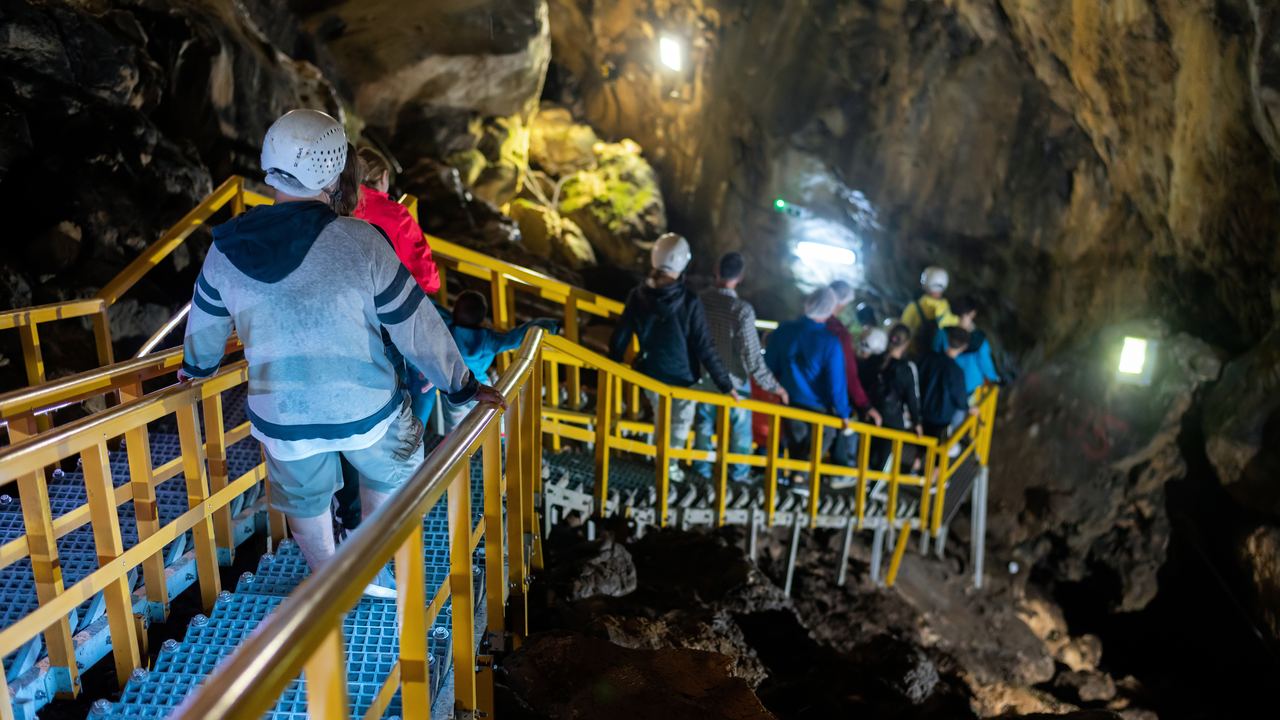
| Footing and light | Show caves, catacombs, mines | Paris lists a risk of falling, an uneven and slippery floor, narrow passageways and dim light | Closed shoes, handrails, staying on the path |
| Air | Some karst caves and mines | NCKRI: carbon dioxide is usually low, occasionally uncomfortable and rarely dangerous, and it pools in deeper sections | Guided entry, self-rescuers on mining routes |
| Animals | Caves with bats | WHO: direct contact with bats is a severe rabies exposure; the NPS says to tell a ranger about a dead or sick bat | Do not touch bats |
Can a cave flood while you are inside?
Yes, and the weather at the entrance may tell you nothing. A News 5 Belize report from December 27, 2022 describes flash floods across the Cayo District on Christmas Eve that left dozens of tourists stranded upriver. One guide said the water was low and clear when his group went in and that the group came out to flash floods. The rain had fallen over the hills, and there had been no rain in the immediate area in the preceding days. The group used an emergency trail that avoids two river crossings, and the last crossing had a rope.
A Cayo District cave operator's cancellation notice describes the same mechanism in its own words: rains are often falling further up into the hills and surrounding watershed, rivers start rising hours before you see the effect, and a river can be fine at coffee time and in full flood by 8:45 a.m. The operator says its guides call tours off once the water rises.
The decision to leave is a guide's decision, taken early. The visitor's job is to follow it without negotiating.
The same guide says something visitors do not like to hear. Life vests are mandatory, but some guests feel they are strong swimmers and do not want to wear one. The rule exists for the day the river changes. For the seasonal side, see caves in the rainy season, and for what happens to your booking, if your cave tour is canceled.

What makes an ice cave dangerous?
The ice itself. The National Park Service says ice caves are inherently dangerous due to the possibility of ice or rocks falling from the ceiling, cave collapse and flooding, and advises going with an experienced guide. Iceland Monitor reported on October 1, 2024 that Vatnajökull National Park had stopped ice cave tours after an American man died in an accident during a trip on Breiðamerkurjökull at the end of August, and that its board had agreed to let them restart. The conditions: tours only in places where a risk assessment has been carried out, and a daily assessment of the ice formations by a group of operators together with the Association of Icelandic Mountain Guides. The board called it a pilot project that might change.
One sentence from that board deserves a slow read: it points out that the safety of travelers on sold trips is ultimately the responsibility of the tourism company and the guide. The park sets conditions. It does not carry the responsibility. The board's conditions apply to sold trips. They lower the risk and do not remove it. Our page on ice caves and their seasons explains why the caves change every year, and the Iceland ice cave tours page covers the visits.
Does a guide make a cave tour safe?
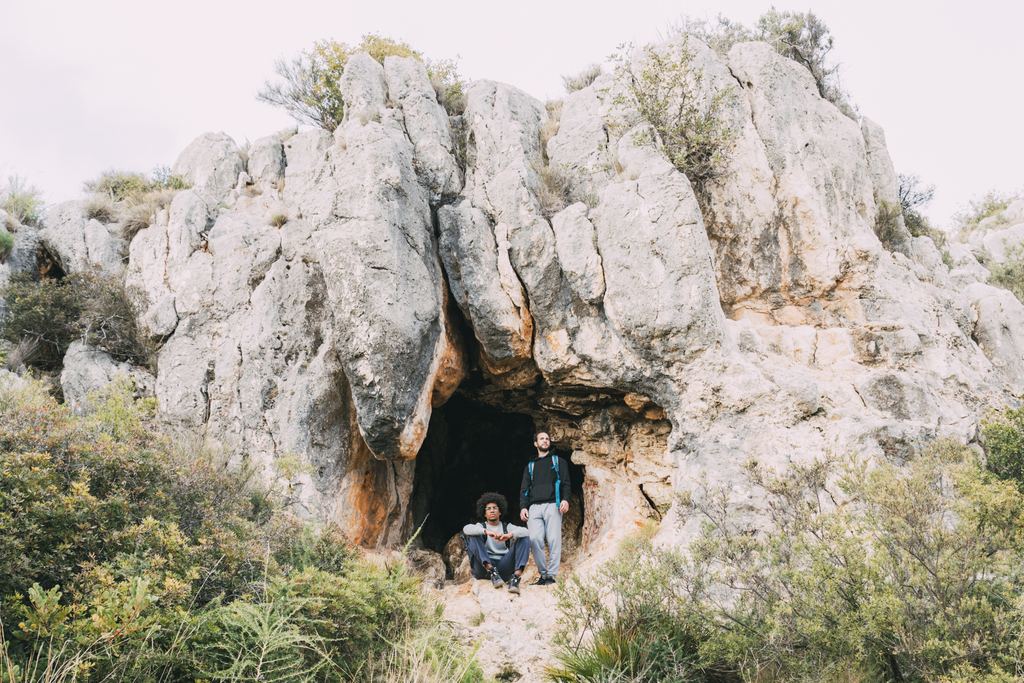
Guides matter, and in some places they are required. On its page about lava caves, Visit Iceland says that if you visit a cave on your own you should have the right equipment, tell someone your plan and never go alone into a cave, and notes that there is usually no cell phone reception inside. It also warns about loose rocks: check what is above you before going further.
At Benagil in Portugal, access rules published by the local authorities took effect on August 13, 2024. As reported by Postal, they ban landing or using the sand inside the cave for individuals and companies, ban reaching the caves by swimming or with flotation aids, and ban renting kayaks without a guide in the cave area. They also set limits on boats and kayaks inside the cave, maximum visit times and a ratio of one guide kayak for every six kayaks carrying visitors. Fines for operators can reach 216,000 euros in the most serious cases.
Is a tour boat always safe?
No tour is. On May 23, 2026 rescue teams took 12 people out of the Benagil caves after a tourist boat overturned. The Autoridade Marítima Nacional said that two of them had minor injuries and that the boat overturned for reasons not known, in a report carried by Observador. We have no more than that, and we are not drawing a conclusion from one event. We cite it because a page about safety should not suggest that rules end incidents.
The Blue Grotto shows the other control, the closure. The Ministry of Culture's page says that in adverse sea and weather conditions the site stays closed, and the Comune di Anacapri describes the visit as made in a rowing boat, lying down, under an entrance arch only about a meter high. When the sea decides, nobody argues. Our guide to sea caves compared shows why entrances differ.
How safe are the floor, the light and the ceiling?
In a show cave the hazards that official pages list are the ordinary ones. The Paris Catacombs list a risk of falling, an uneven and slippery floor, narrow passageways and dim light. Wind Cave in South Dakota says all its tours are guided by rangers and are moderate to very strenuous, with stairs and occasional low ceilings, and that there are no restrooms in the cave.
We trust an operator that publishes a hazard list more than one that does not. Waitomo's Ruakuri Cave page is titled Visitor Information and Risk Disclosure and states that the cave has elevated walkways, handrails, narrow passages and limited visibility, that water drips from the ceiling at times, and that the ceiling is about 130 cm high at the lowest point, so visitors must bend or duck.
Who should skip some cave tours?
The operators say it themselves. Wind Cave says its tours are not recommended for anyone with claustrophobia, heart or respiratory conditions, recent surgeries or illnesses, or other physical limitations. Paris says the visit is not recommended for people with a motor disability, claustrophobia, or cardiac or respiratory insufficiency, and that it is not wheelchair accessible. These are the sites' own words, not a medical rule, and we cannot judge your health.
Jewel Cave gives one test that fits in a doorway: for its wild caving tour you must fit a space 8 1/2 inches high and 24 inches wide, and it suggests stretching a string across a doorway at that height and crawling under it without pulling it off. If that sounds like a lot, our pages on claustrophobia and limited mobility go formation by formation.
Is the air in a cave safe to breathe?
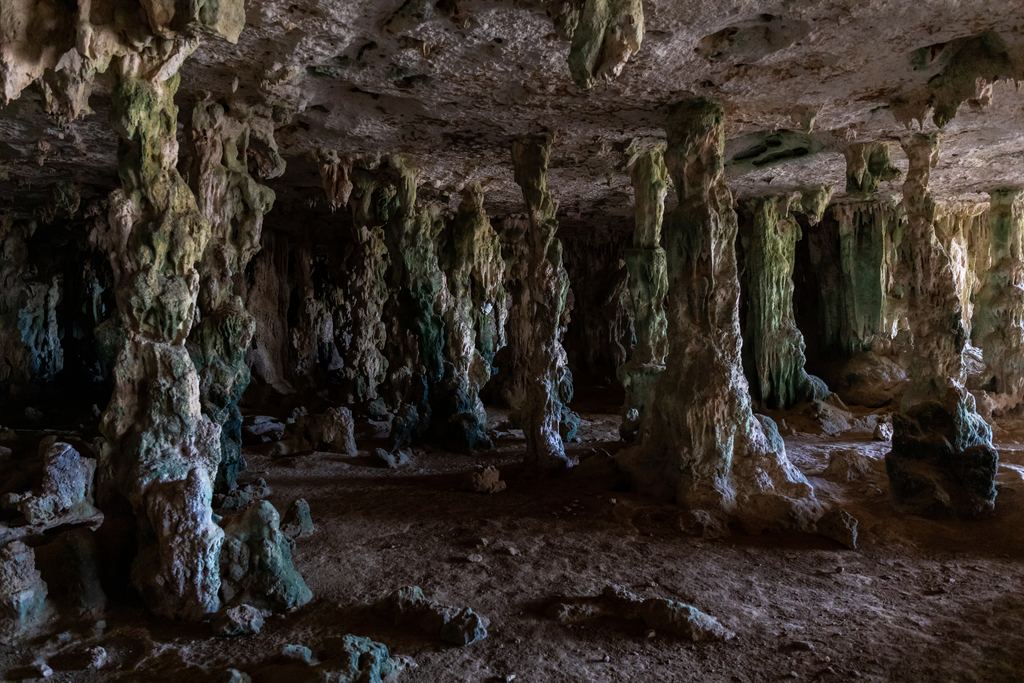
Almost always, with one exception worth knowing. NCKRI says karst caves in carbonate rock occasionally have slightly elevated carbon dioxide, carried down from the soil. The typical levels are low and not noticed by visitors, on occasion they are high enough to cause discomfort, and in rare circumstances they can reach dangerous concentrations. Because that air is heavier than normal air, it collects in deeper sections, which is why a problem is usually noticed first in shallower ones. Mines are different. Wieliczka's rules for the miners' route hand every visitor a carbon monoxide self-rescuer and require a signed record of the training (our translation from Polish).
What about bats?
Treat them as wild animals, not as a danger on the path. The World Health Organization says that in the Americas, where dog-mediated rabies is mostly controlled, blood-feeding bats are now the primary source of human rabies, and it classes direct contact with bats as a severe exposure. The National Park Service adds that no human infections from white-nose syndrome have ever been documented, although a small percentage of bats can carry other diseases such as rabies. If you see a dead or sick bat, the NPS says do not touch it and tell a park ranger. There is nothing in these sources for a blanket claim in either direction. The risk is in contact, and a tour path does not require any. Our cave wildlife page covers bats, glowworms and olms.
What separates a careful operator from a careless one?
Things you can check before booking, each with a place we saw it in writing.
| Practice | What it looks like | Where we saw it |
|---|---|---|
| Decides on the day | Calls the tour off when water rises; closes the site in bad sea; assesses the ice daily | Belize operator notice, Italian ministry page, Vatnajökull board decision |
| Issues safety equipment and briefs you | Helmet, overall, self-rescuer, lamp and training before descent, with a signed record | Wieliczka miners' route rules (2025 edition) |
| Limits numbers and ratios | A cap on boats and kayaks in the cave, visit time limits, one guide kayak per six | Benagil access rules (August 2024) |
| Publishes the hazards | A page that lists walkways, narrow passages, ceiling height and drips before you arrive | Waitomo Ruakuri Cave disclosure |
| Offers the life vest | Vests carried and offered on water trips | Belize guide interviewed by News 5 |
None of this lets us say a given operator is safe, and we do not name any here. It tells you what to ask. Ask what happens if the water rises, who decides, and what you get if the tour is canceled. Ask what equipment is supplied. If the answers are specific, that is a good sign. If they are a laugh and "it never happens", it is not.
What should you do yourself?
Follow the guide, and leave when told. Stay on the path and keep your hands off the walls: the NPS notes that the oil on skin stains the cave and waterproofs formations, which is reason enough to keep your hands to yourself. Wear the vest if one is offered. Tell someone where you are going, particularly in a place with no reception. Closed, non-slip shoes appear in most of the rules we read, and our guide to what to wear on a cave tour lists the rest. If you are choosing between formats, how to choose a cave tour compares them, and the Cave Fit Guide matches caves to what you can and want to do.
Quick answers
Can I visit a cave without a guide?
It depends on the cave, and in some places it is not allowed. Visit Iceland says on its lava caving page never to go alone into a cave, and Benagil bans renting kayaks without a guide in the cave area.
Are cave tours safe for kids?
That depends on the format, the age and the site's own rules, which change. The sources we read for this page publish no single answer, so we cover it in cave tours with kids.
Is it dangerous to swim in a sea cave?
The sources we read do not publish a rule that fits every cave. At Benagil, swimming to the caves and using flotation aids to reach them are banned under the 2024 rules. At the Blue Grotto, the access is by rowing boat. Follow the local rule, and do not swim into a cave on your own.
Do bats make cave tours dangerous?
The risk the WHO describes comes from direct contact with a bat. A tour path does not ask you to touch one, and the NPS says to tell a ranger if you find a sick one.
Some tours listed on this site can be booked through partner platforms. If you book from here, the site earns a commission at no extra cost to you. We do not rate individual operators on safety, and a listing here is not a safety endorsement. Check the cave's own site for the rules in force on the day.
Iceland ice cave tours
Guided visits, with the ice assessed by the day.
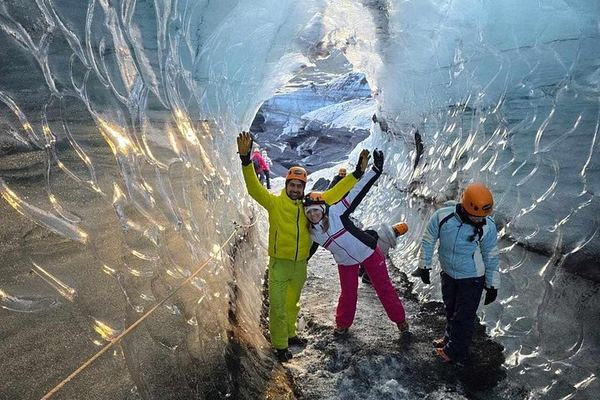
3-Hour Katla Ice Cave Tour From Vík With a Short Ladder Climb
Meet outside the Ice Cave Bistro in Vík for a 3-hour Super Jeep trip to Kötlujökull. Helmets and crampons are provided, and the entrance may need a ladder.
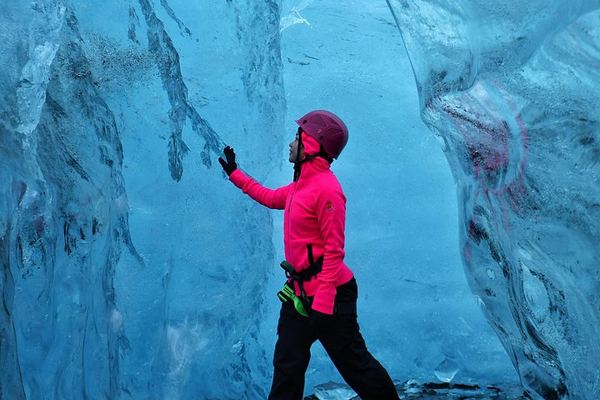
Blue Ice Cave Exploration From Jökulsárlón With Super Jeep, Max 14 Guests
A modified Super Jeep takes a small group of up to 14 from Jökulsárlón to a blue ice cave, with crampons, helmets and a professional guide in the booking.
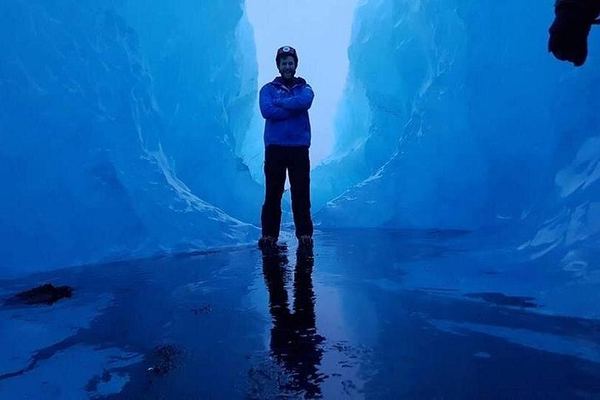
Crystal Blue Ice Cave Super Jeep Adventure, 9:30 and 2 pm Departures
Daily Super Jeep departures at 9:30 am and 2 pm lead from Jökulsárlón to a blue ice cave in Vatnajökull, with a licensed guide. Up to 15 travelers per booking.
Ratings collected by Viator and Tripadvisor
Ask the safety questions before you book
Who decides if the water or the sea is too high, what is supplied, and what you get if the tour is canceled.
Data verified on . Sources read on this date, with the dates of the events they report. Rules and conditions change: check the site of the cave before you go.